
Burial Details
Please see below for the details on GARLAND, Maria Esther.
Buried Date
22nd April 1872
Age
67
GRO Record
Q2 1872 St.Ives 3b 181
Ref
1872 P.43 F.342
Parents
Edward BALE
Other People Buried in this Grave
Inscription
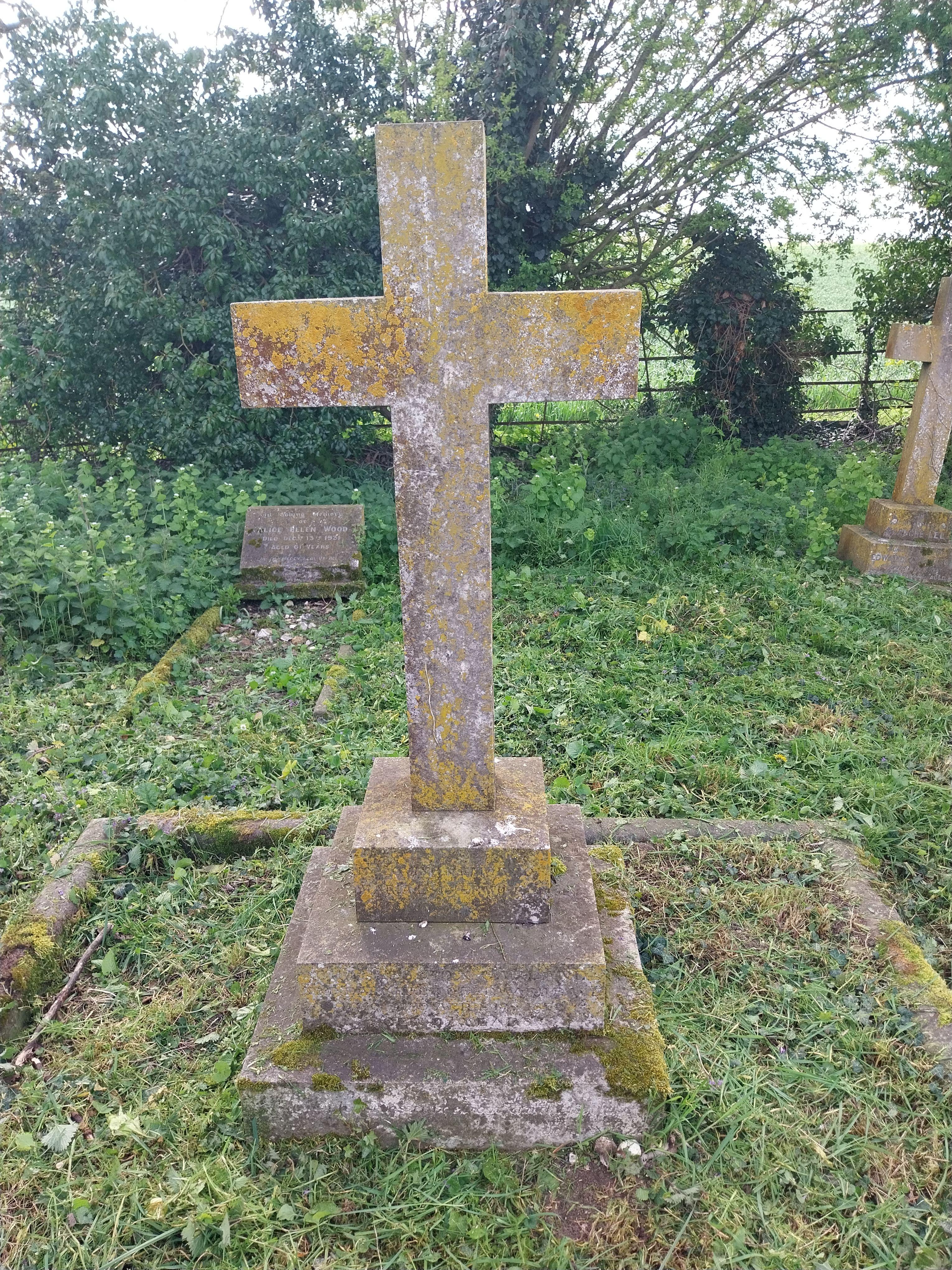
In Loving Memory of Maria Esther [GARLAND] wife of Charles Fox Garland and daughter of Edward BALE who died April -- 1872 Aged 67 years ( 2 further lines unreadable) John XL 25
1. Also Thomas Henry
2. Fourth Son of Charles FOX and Maria Esther Born at BABINGLEY Dec 18th 1842 Died Cambridge April 2nd 1879
3. To know not what shall be on the morrow. I know that my redeemeth Liveth
Grave Details
Location
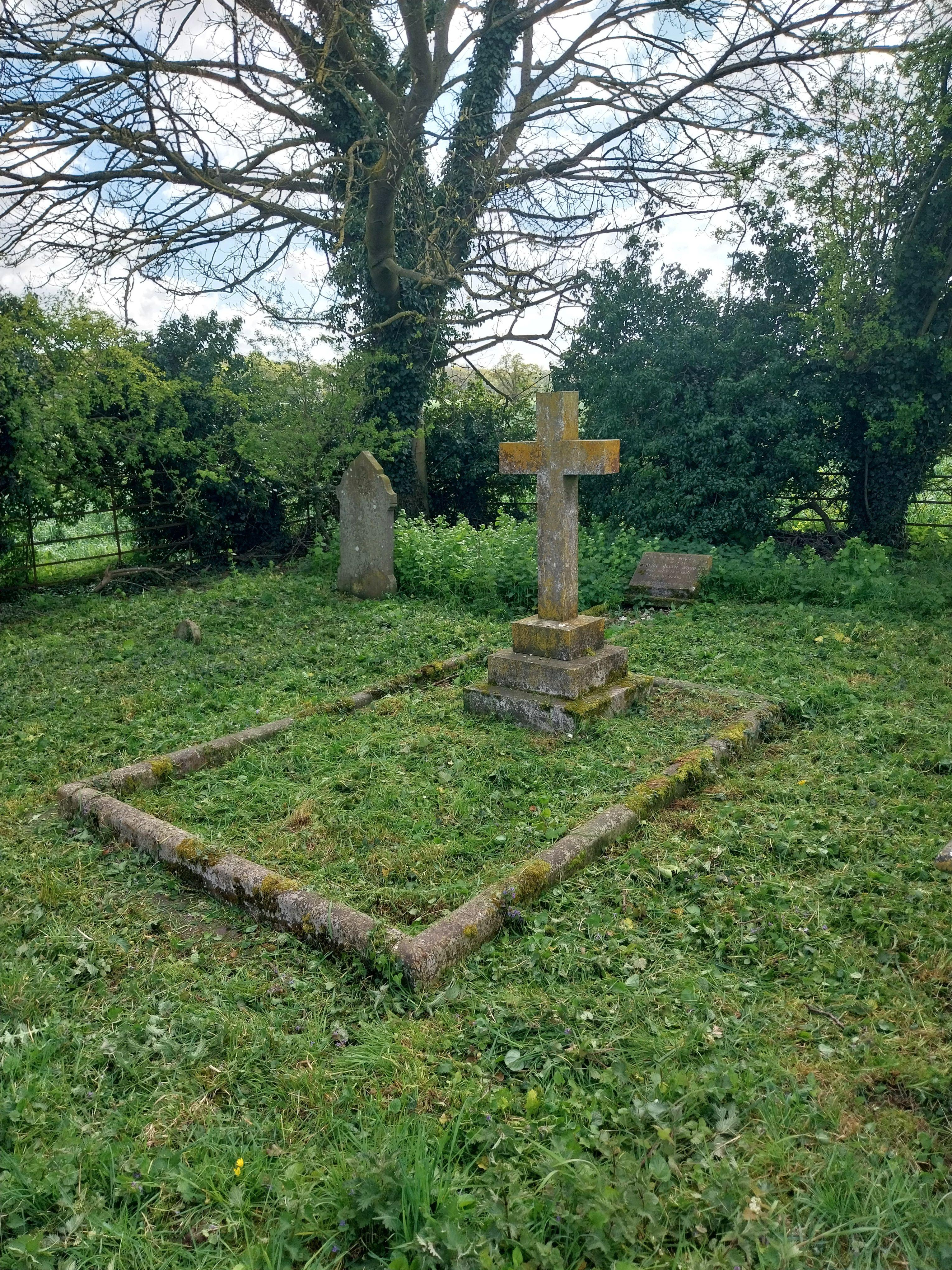
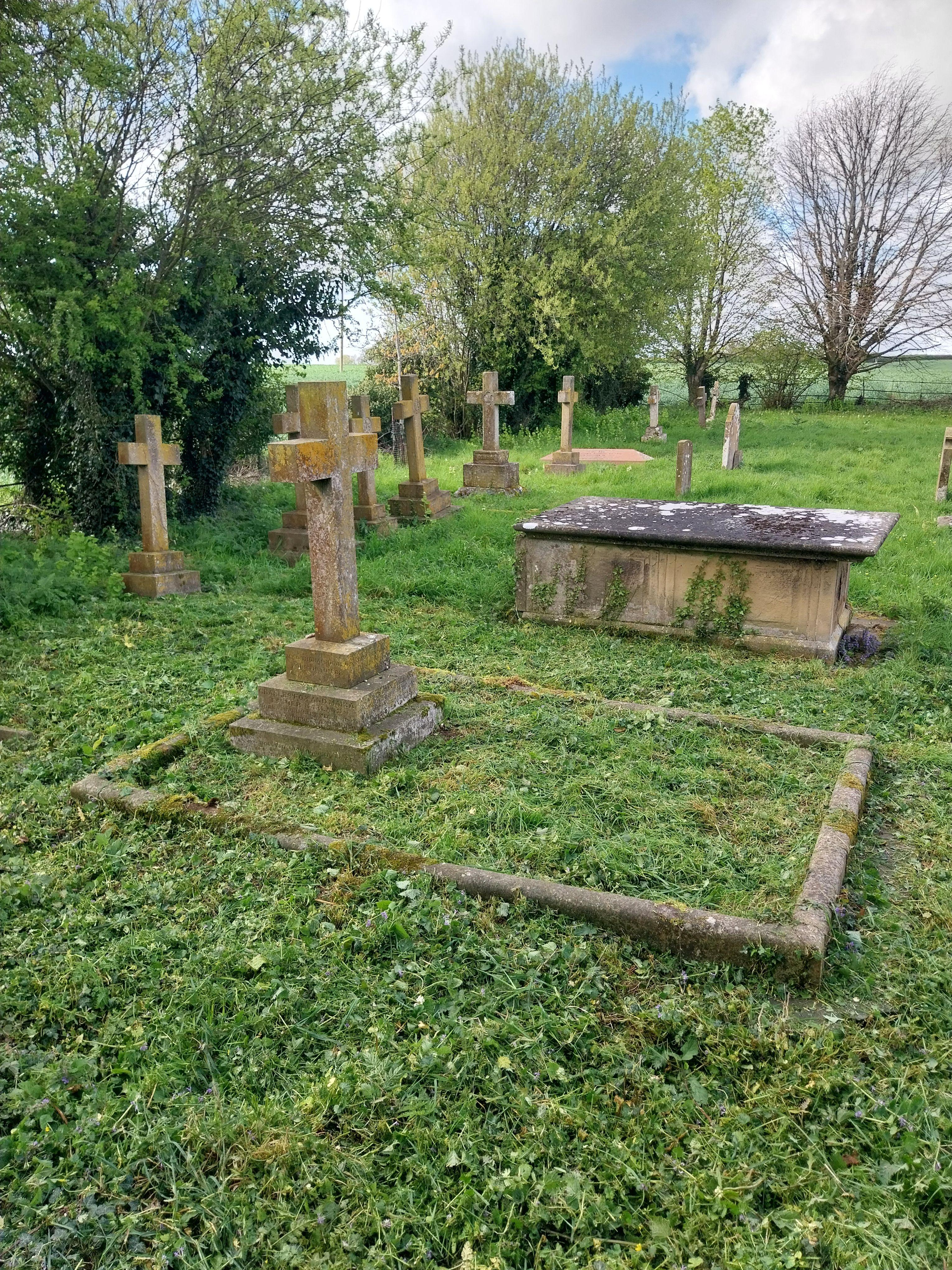
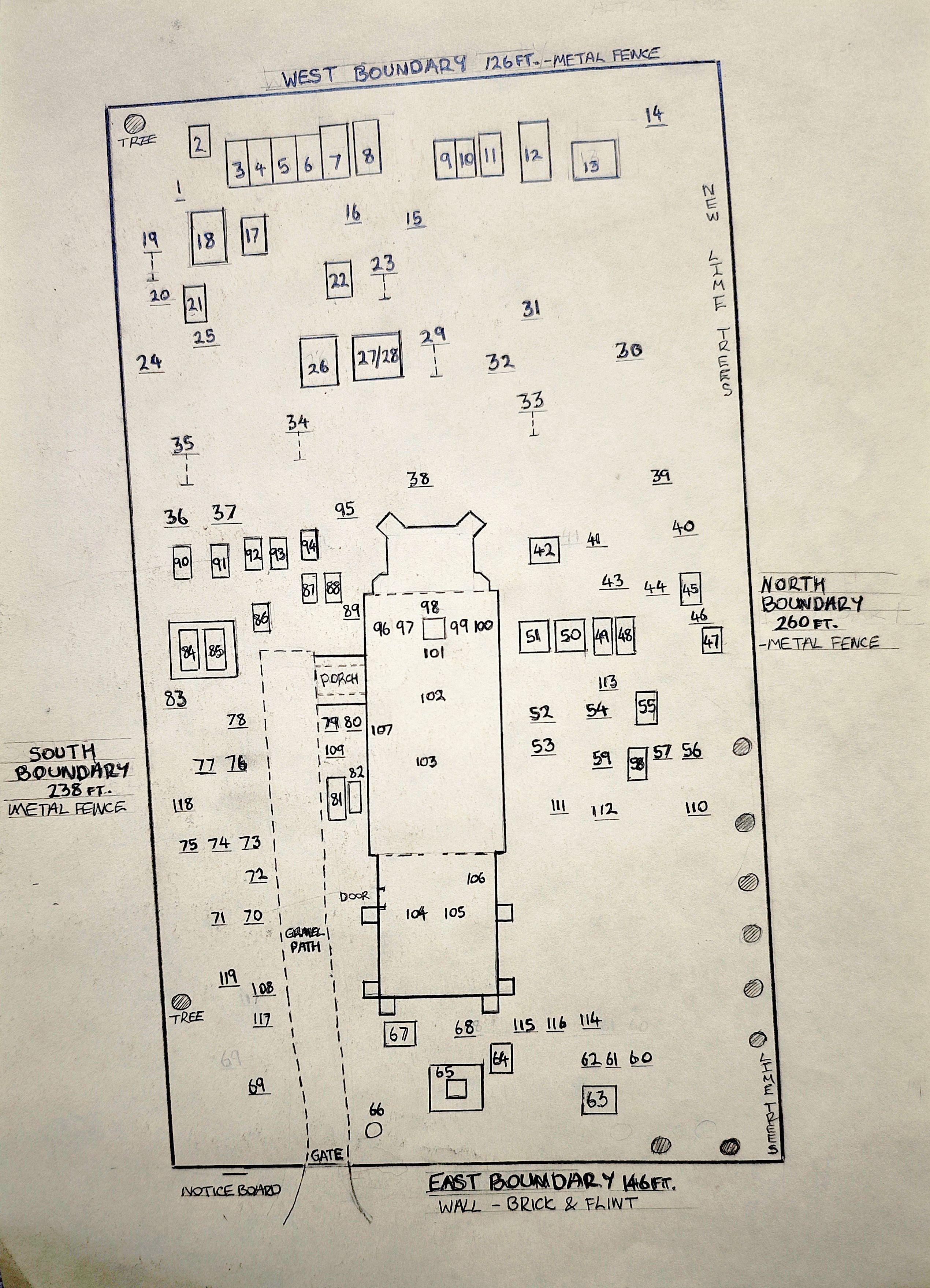
Located near the corner of the west and south boundaries.
Headstone Condition
Inscription just readable at the 3rd level.
FootStone
No
Type of Grave
upright
Additional Information
Cross standing upon 3 step levels and mounted on a flat, large, rectangular platform containing an inscription on two sides.

Understanding Our Records
GRO refers to the General Records Office records of deaths. So Q is the quarter of the year when the death occurred, followed by the year of birth. Then comes the local government area where the death was registered, followed by the volume number, and sometimes the letter of an additional volume, of their records, and finally the page where it is recorded.
REF refers to the parish Burial Register. First there is the year of the death, then the page number, and finally the entry number.
Deaths after 1999 may not yet have a GRO or Parish Register entry recorded on the website.
A portion of the interactive churchyard map is shown for context, although you can also view the whole churchyard by clicking on the Map button at the top of the page. This is especially useful if you find that there are more than one person buried in our churchyard with the name you are searching for.
We are always mindful that there are many people buried in our churchyard that do not have a memorial, and so are not included in this list. We remember all of them in our prayers.
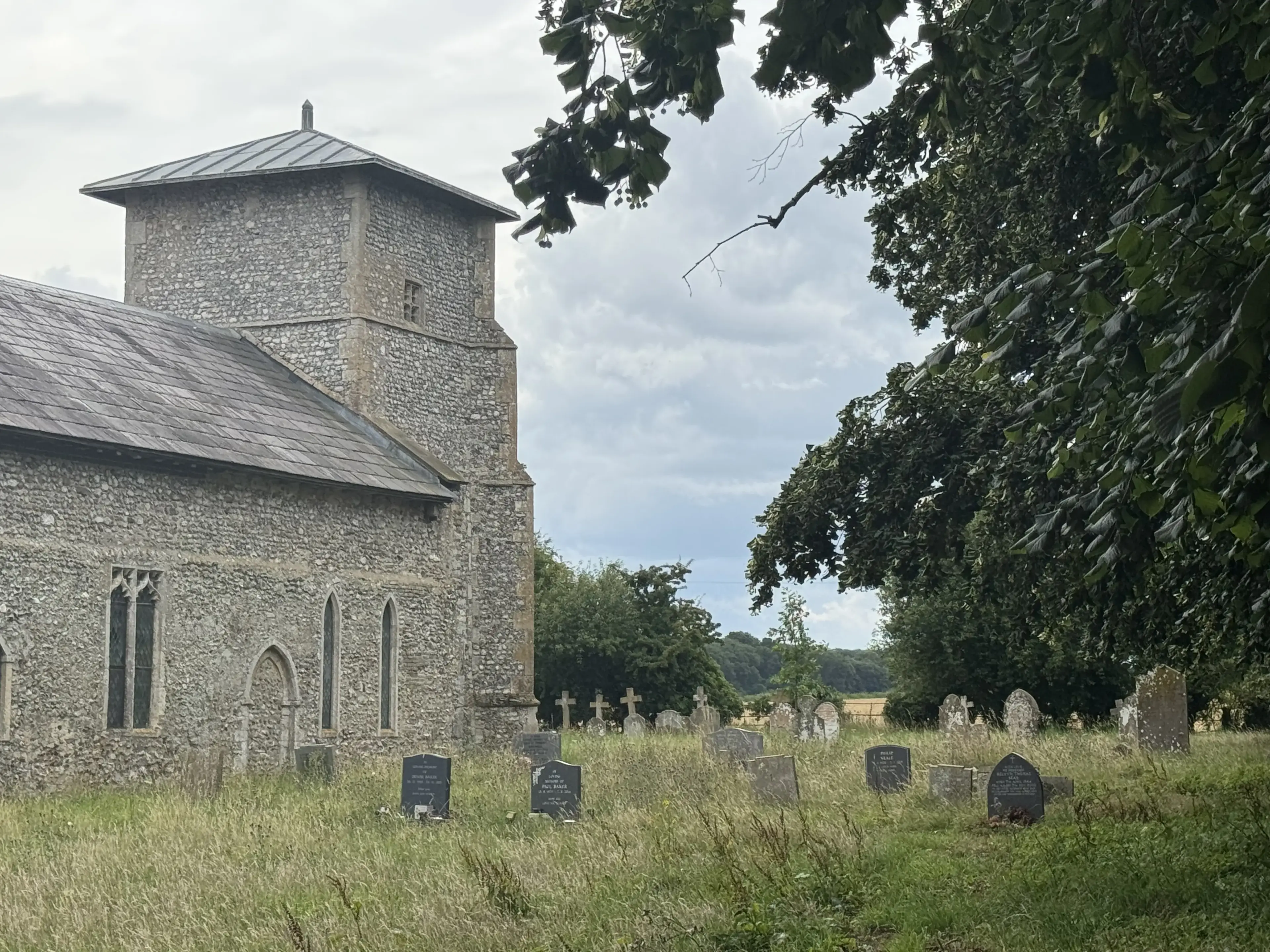
There has been a church on this site since Saxon times. Shortly after the Norman invasion the church was rebuilt, incorporating both materials from an earlier church and also some Roman tiles no doubt picked up from the field opposite, where there had been a building in the days when a Roman road went past the church site.
